

Professional Electrical Safety Inspections for Homes
Residential electrical systems operate silently, yet they carry real safety responsibility. Licensed electricians in Logan perform inspections to detect hazards, prevent faults, and safeguard homes.
Regular electrical safety inspections protect households by identifying hidden risks before they become emergencies.
Practical Tip: Schedule inspections after renovations or when moving into a new property.
Common Mistake: Ignoring minor faults — small issues can escalate quickly.
What a Professional Inspection Includes
A comprehensive residential inspection typically assesses:
Switchboards and circuit protection systems
Safety switches / RCDs and response times
Circuit breakers and load distribution
Surge protection devices
Wiring integrity and insulation condition
Earthing systems
Power points, fittings, and connections
Mini-Story: A Logan family discovered faulty wiring behind their kitchen cabinets during an inspection. Early detection prevented potential fire hazards and appliance damage.
Practical Tip: Ask your electrician to inspect all outdoor circuits and high-use areas.
Common Mistake: Treating inspections as optional — every detected risk matters.
Risk Detection and Fault Prevention
Electrical hazards often develop slowly: heat buildup, insulation breakdown, loose connections, and overloaded circuits may not be obvious. Professional inspections identify early-stage risks before they result in faults, fires, or costly appliance damage.
Practical Tip: Include surge protection assessment to safeguard electronics.
Common Mistake: Assuming minor flickering lights are harmless — they may indicate serious circuit issues.
Compliance and Safety Systems
Residential inspections confirm that:
Protection devices function correctly
Wiring systems meet Australian standards
Safety mechanisms remain compliant
Documentation is available for insurance or resale
Practical Tip: Keep inspection reports accessible for future maintenance or upgrades.
Common Mistake: Assuming compliance is permanent — standards evolve over time.
Preventative Maintenance Benefits
Regular inspections provide:
Reduced emergency fault risk
Fire hazard prevention
Extended system lifespan
Improved reliability and household safety
Lower long-term repair costs
Shifting maintenance from reactive repairs to proactive protection ensures safer homes and peace of mind.
Practical Tip: Combine inspections with switchboard upgrades for complete safety.
Common Mistake: Delaying recommended upgrades — hazards left unchecked can multiply.
Preparing for Upgrades and Future Loads
Inspections also support future planning. Load testing and system assessments identify whether homes can safely support:
Kitchen and appliance upgrades
Solar and battery integration
Practical Tip: Discuss household energy needs with your electrician for future-proof planning.
Common Mistake: Ignoring load capacity — overloaded circuits create hazards and reduce system lifespan.
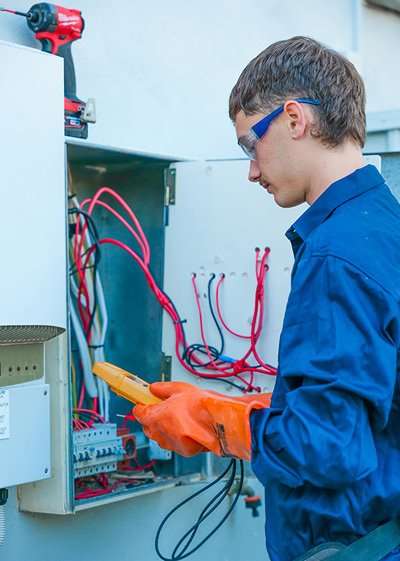
Choosing a Qualified Electrical Inspector in Logan
A professional service provides:
System-level testing and diagnostics
Clear safety reporting
Compliance verification
Practical upgrade recommendations
Practical Tip: Verify licencing and experience before booking inspections.
Common Mistake: Using unlicensed providers — compromises safety, insurance, and compliance.
FAQs
Do all homes in Logan require inspections?
Yes — regular inspections are critical for safety, especially in older homes or after renovations.
How often should inspections occur?
Every 2-3 years, or sooner if electrical faults or upgrades occur.
Can inspections prevent appliance damage?
Yes — inspections identify wiring risks and include surge protection guidance.
Who can perform inspections?
Only licensed residential electricians following Australian safety standards.
What happens after an inspection?
You receive a detailed report, risk assessment, and recommended actions or upgrades.
Residential electrical inspections are a core safety measure for modern homes. In Logan, professional inspections protect households through early risk detection, compliance assurance, and long-term system reliability.
Proactive assessments create safer living environments, reduce emergency risks, and support future-ready homes.
